Advancing Gender Equality Through Education and Opportunity
October 02, 2026

EQUSaT Completes Landmark Curriculum Development Workshop in Partnership with FAWE
Equator University of Science and Technology advances inclusive higher education through intensive two-day training on competence-based curriculum design
Masaka, Uganda — April 17, 2026
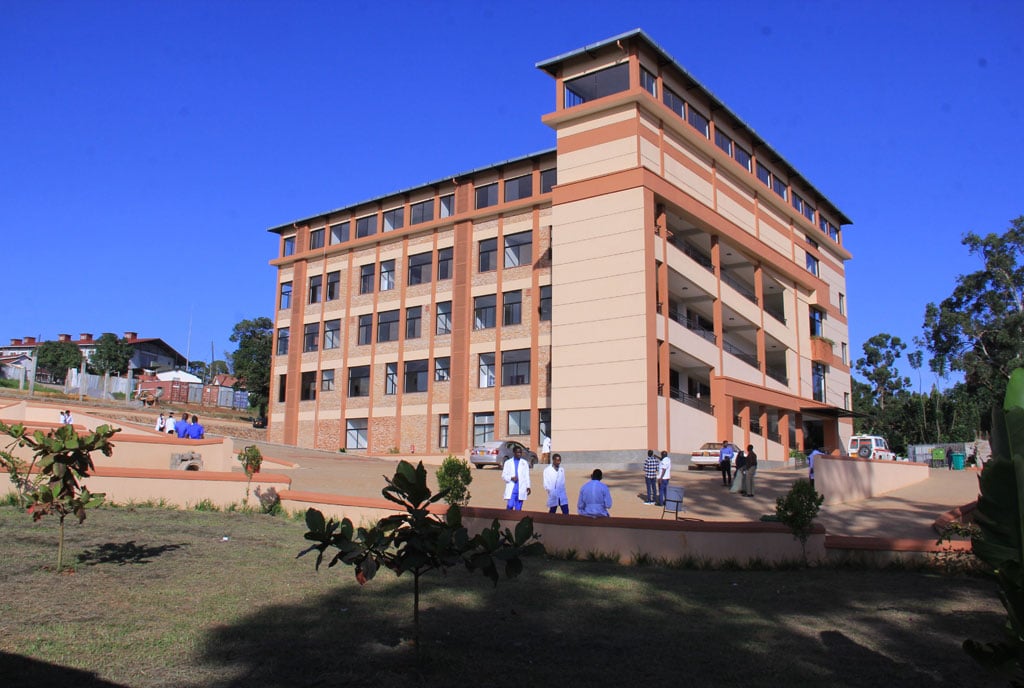
Equator University of Science and Technology (EQUSaT) concluded a transformative two-day capacity-building workshop on April 16–17, 2026, marking a significant step in the institution's commitment to expanding equitable access to higher education in Uganda. The workshop, held at the University Conference Hall on EQUSaT's Masaka Main Campus, was funded and facilitated by the Forum for African Women Educationalists (FAWE) under its Higher Education Access Programme (HEAP).
The training brought together academic staff, heads of departments, faculty representatives, HEAP coordination teams, and external facilitators to develop and refine a Higher Education Access Certificate (HEAC) curriculum aligned with Uganda's National Council for Higher Education (NCHE) standards and the principles of Competence-Based Education (CBE).
A Strategic Initiative for Educational Equity
The HEAC programme is designed to bridge a longstanding gap in Uganda's higher education landscape, providing structured academic pathways for students who do not meet direct university entry requirements. For EQUSaT, participation in HEAP represents a deliberate institutional commitment to inclusivity, particularly for learners from disadvantaged and underserved backgrounds.
Opening the workshop, remarks were delivered by the Academic Registrar, FAWE representatives, and the Vice Chancellor, who collectively underscored the strategic urgency of the initiative. Speakers highlighted the role of Competence-Based Education in aligning academic programmes with national development priorities and labour market demands, while reaffirming FAWE's broader mandate of promoting gender equity and access to quality education across Africa.
"A well-designed curriculum should produce graduates who are not only knowledgeable but also competent and job-ready," said Dr. Hannington Gumisiriza, one of the lead facilitators, setting the tone for the technical sessions that followed.
Day One: From Conceptual Foundations to Practical Design
The first day opened with a comprehensive overview of the HEAC programme, delivered by Dr. Michael Robson Atim, a higher education specialist with extensive experience in programme implementation. Participants gained a clear understanding of the programme's rationale, its alignment with NCHE regulatory standards, its role in promoting educational equity, and the variation in implementation progress across Ugandan institutions.
This was followed by a detailed session on NCHE's updated curriculum standards, in which Dr. Gumisiriza walked participants through the essential components of a compliant academic programme: programme rationale, learning outcomes, course structure, credit allocation, teaching and learning strategies, and assessment frameworks. Compliance with these standards, he stressed, is a non-negotiable prerequisite for programme accreditation.
The morning concluded with an in-depth session on the core principles of Competence-Based Education, a pedagogical approach that shifts emphasis from content coverage to the measurable demonstration of skills, knowledge, attitudes, and values in real-world contexts.
The afternoon moved into active curriculum development. Participants were organized into interdisciplinary working groups, each tasked with drafting specific components of the HEAC curriculum: programme structure, Programme Learning Outcomes (PLOs), competency mappings, and course content frameworks. By the close of Day One, the groups had generated draft programme structures, initial learning outcomes, and preliminary course outlines, tangible outputs produced within a remarkably short timeframe.
Day Two: Refinement, Presentation, and Strategic Planning
Day Two opened with a structured review of the previous day's outputs, led by Dr. Gumisiriza, who guided participants in reflecting on achievements and identifying areas requiring further refinement. Groups then returned to intensive work, focusing on finalizing and aligning curriculum components with CBE principles, sharpening learning outcomes, eliminating content duplication, strengthening assessment frameworks, and ensuring constructive alignment across all curriculum elements.
The centrepiece of the second day was a formal Group Presentation session, during which each working group presented its developed curriculum framework before the full cohort and a panel of expert facilitators. The presentations were evaluated against NCHE standards and CBE principles, with facilitators providing structured technical feedback and participants engaging in peer review. Across the board, presentations demonstrated a high level of alignment with competence-based frameworks, well-structured learning outcomes, and innovative approaches to teaching and assessment.
A dedicated harmonization session followed, during which the group outputs were merged into a single, coherent institutional HEAC curriculum framework, standardized in structure, aligned in outcomes, and prepared for the formal approval process.
The final technical session outlined the implementation roadmap, structured across five phases: curriculum finalization and documentation; internal approval through departmental, faculty, and senate processes; submission to NCHE for external accreditation; institutional readiness preparation; and official programme launch. Participants left with clearly defined action points and a shared understanding of roles and responsibilities in the period ahead.
Key Outcomes and Observations
The workshop generated several significant outcomes. A near-final, NCHE-aligned HEAC curriculum framework was produced, alongside harmonized Programme Learning Outcomes, structured course outlines, and preliminary assessment strategies. The process also surfaced important capacity gaps, particularly in the formulation of measurable learning outcomes and the design of competency-based assessments, signalling the need for continued professional development among academic staff.
Observers noted the high level of participant engagement sustained throughout both days, as well as the effectiveness of the interdisciplinary working model in generating diverse perspectives and fostering institutional cohesion. Some groups faced challenges related to time constraints and the complexity of detailed content development, though overall progress was considered substantial.
Minor logistical disruptions on Day One, attributable to heavy rainfall, caused brief delays but did not materially affect the workshop's outcomes.
Institutional and Partner Commitments
In her closing remarks, the Academic Registrar Ms. Tusiime Olive reaffirmed the university's commitment to supporting the curriculum's finalization, coordinating internal approval processes, and facilitating submission to NCHE. She commended both the facilitators and participants for the professionalism and dedication demonstrated throughout the two days.
The Vice Chancellor Prof. Mpezamihigo Mouhamad emphasized three institutional priorities going forward: full commitment from university management to resource and support HEAC implementation; strict adherence to NCHE quality and compliance standards; and a focus on real-world impact , ensuring the programme translates into meaningful opportunities for students who have previously been excluded from higher education.
The FAWE Team Leader, speaking on behalf of the organization, reaffirmed FAWE's readiness to provide continued technical, strategic, and financial support. He noted that the success of the training would ultimately be measured not by the quality of the curriculum document alone, but by the programme's impact on student access, retention, and success.
"By creating structured pathways like HEAC, FAWE is opening doors for learners, especially those from disadvantaged backgrounds, who would otherwise be excluded from university education," he stated.
Looking Ahead
The HEAC programme at EQUSaT now moves into a critical implementation phase. Key priorities include the finalization of curriculum documentation, the convening of faculty and senate approval processes, and the preparation of an NCHE accreditation submission. The university has also been called upon to establish a dedicated HEAC coordination unit, invest in continuous staff training in CBE methodologies, and develop robust student support systems encompassing academic advising, mentorship, and progress tracking.
For FAWE, the partnership with EQUSaT represents a replicable model for advancing higher education access across the region. With strong leadership, institutional readiness, and continued external support, the HEAC programme has the potential to become a benchmark for equitable higher education pathways in Uganda and beyond.
October 02, 2026